


” … for my descendants, because their lives are built, consciously or unconsciously, from the lives of their ancestors.”
Friedrich Anton Müller-Uri
Wiesbaden, June 29, 1923
From 1860 to today
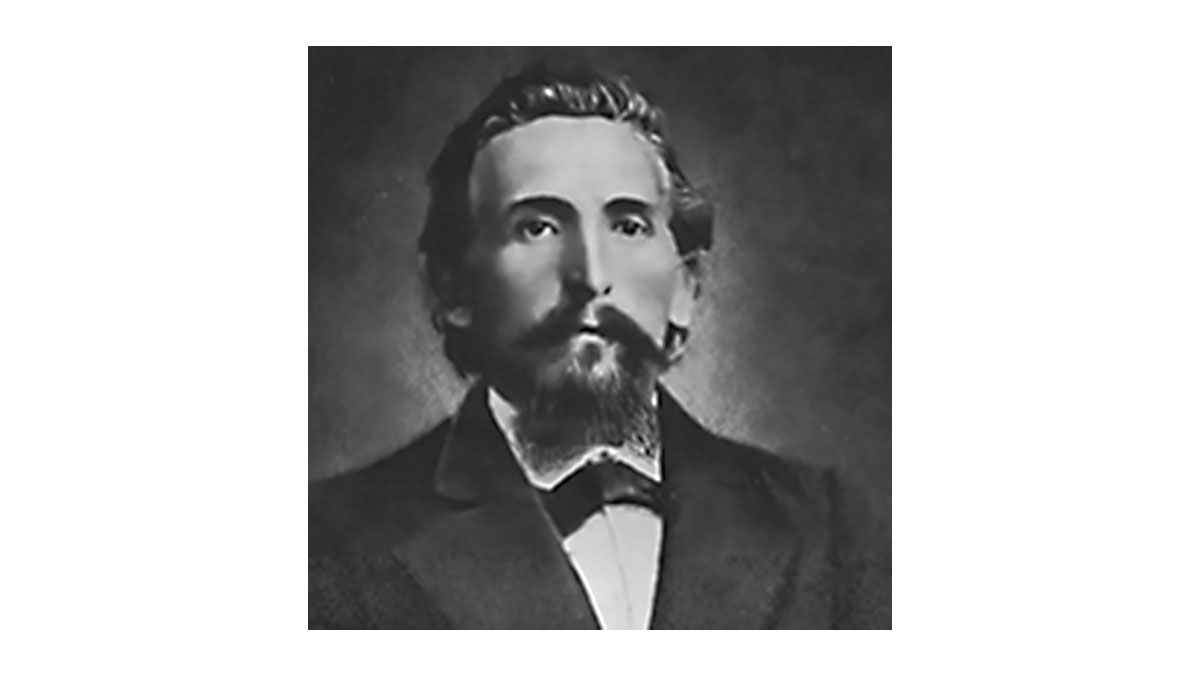
Friedrich Adolf Müller-Uri was born on September 14, 1838 in Lauscha, Thuringia. But the story begins a few years earlier.
Friedrich had an uncle Ludwig, the son of a glassblower from Lauscha in East Germany. Ludwig made glass eyes for dolls and stuffed animals. An ophthalmologist in Würzburg became aware of the artistically crafted eyes and contacted Ludwig in 1832 to persuade him to produce artificial eyes for humans.
At the age of 16, Friedrich Adolf began his apprenticeship with his uncle Ludwig. Six years later, he founded his own company under the name “F. Ad. Müller”. The rest is history, and you can read about what happened next here.
1860
Friedrich Adolf founds his own company and, together with his friend, the glassmaker Christian Müller-Pathle, develops cryolite glass, which is significantly more tear-resistant than bone glass.
1870
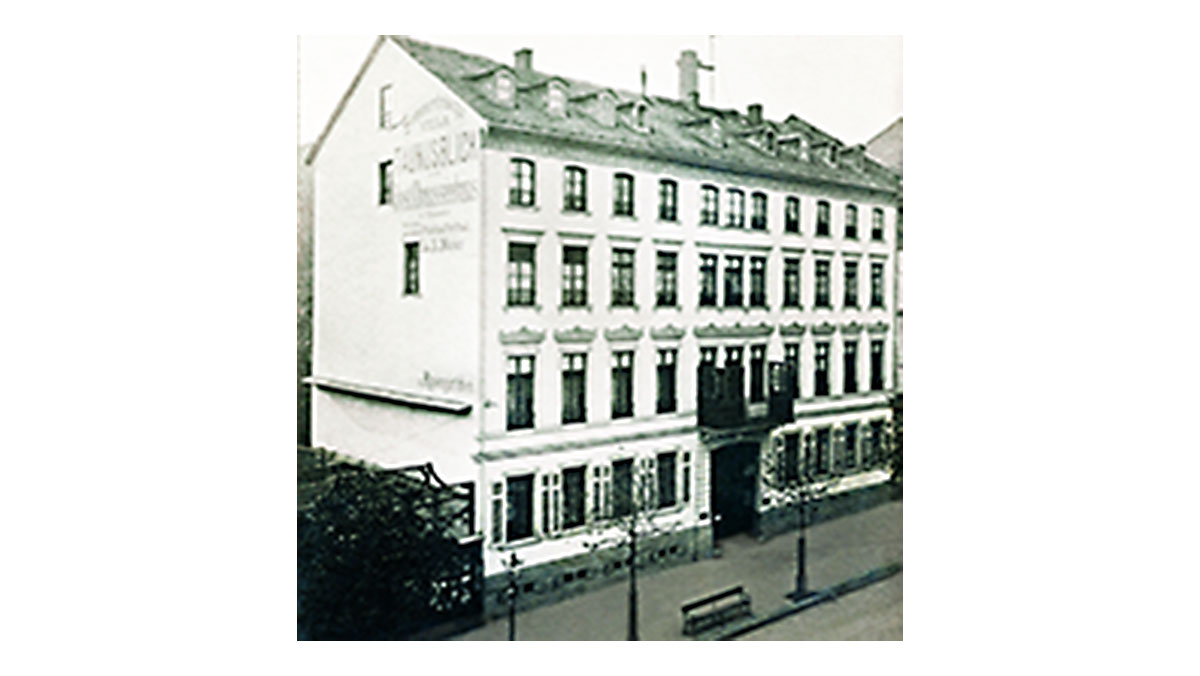
After a long collaboration with the ophthalmologist Alexander Pagenstecher in Wiesbaden, the practice is increasingly run in Wiesbaden and moves to a newly constructed building in Rheinstraße in Wiesbaden.
1879
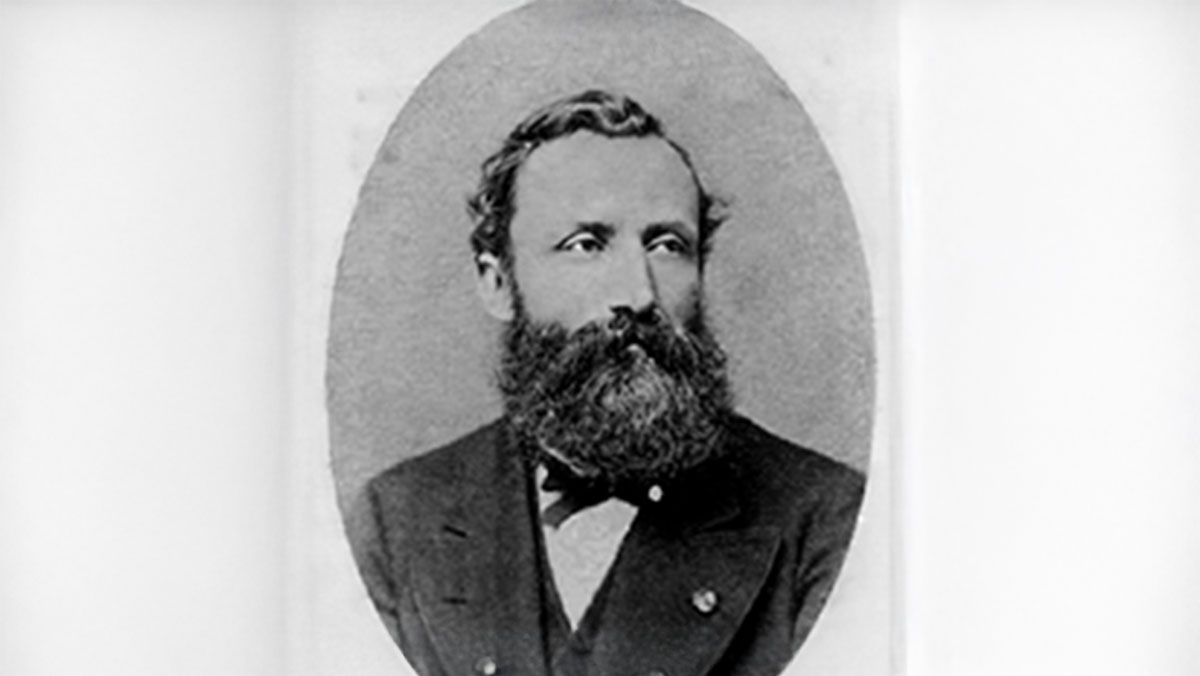
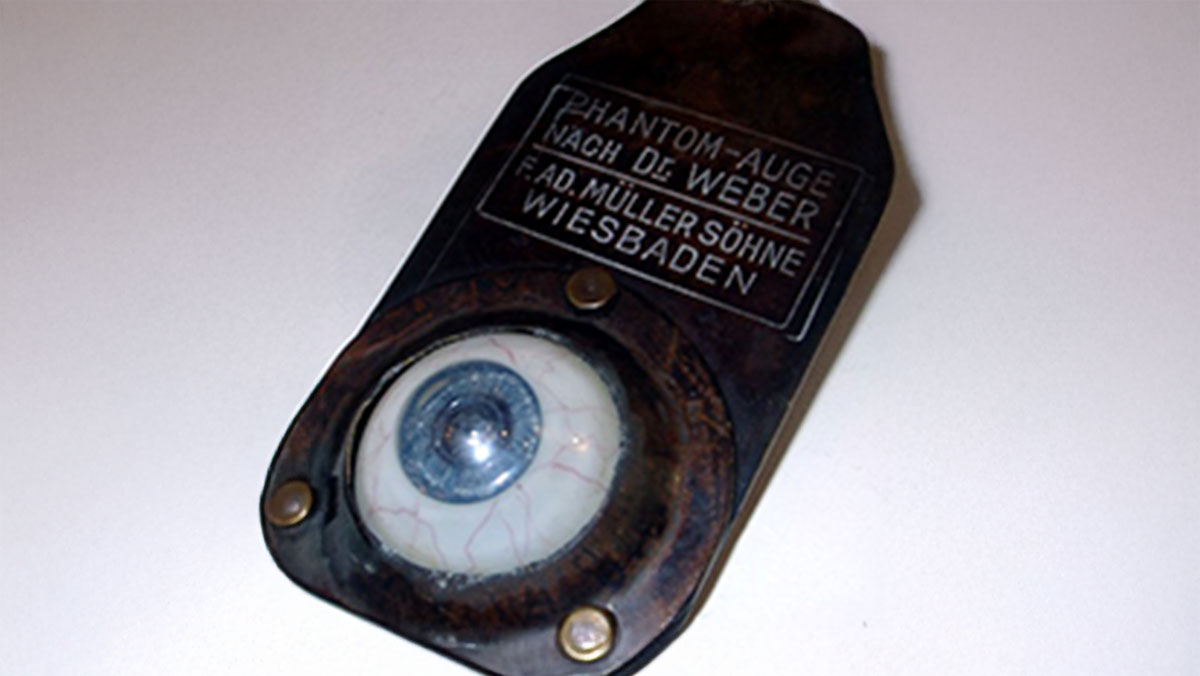
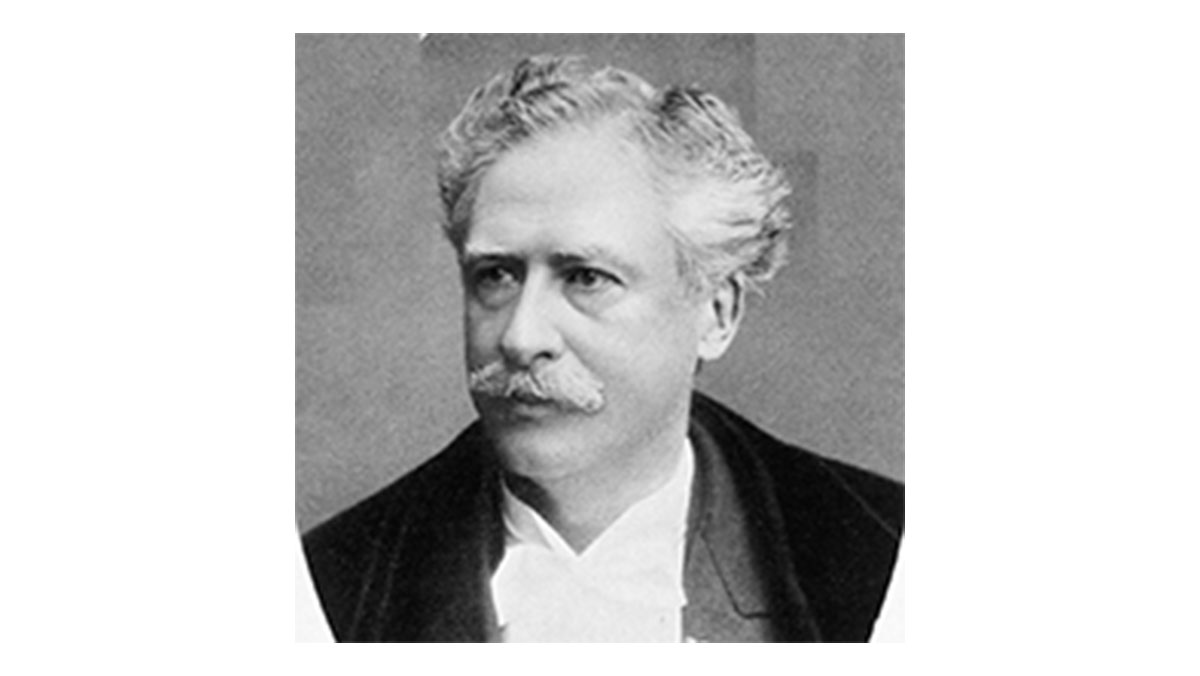
After Friedrich Adolf’s death in 1879, his sons Friedrich Anton and Albert Carl continued to run the company. They expanded the business and, among other things, produced replicas of various eye diseases for study purposes.
1887
The company changes its name
to F. Ad. Müller Söhne.
1889
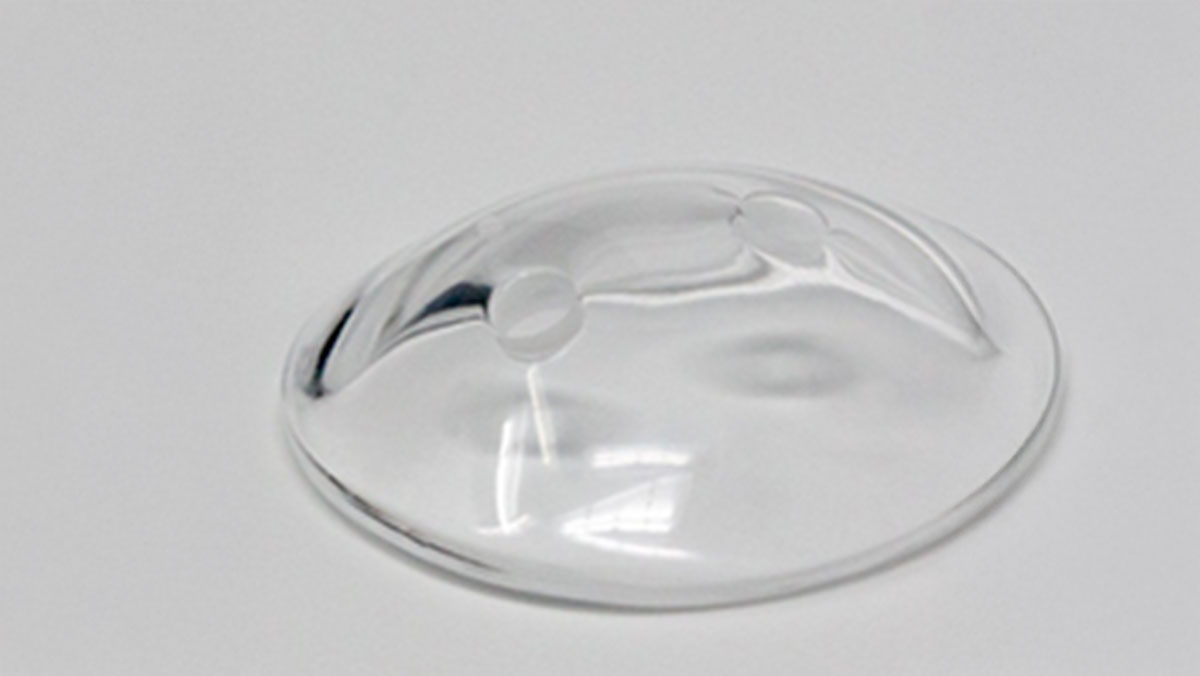
Professor Hermann Snellen from the Netherlands, the inventor of the eye chart that everyone has used to test their eyesight, encouraged the Müller-Uri brothers to develop a double-walled, hollow prosthesis. After many failed attempts, they succeeded in producing a hollow glass prosthesis in 1892, which was patented under the name “Reform Eye”.
1893
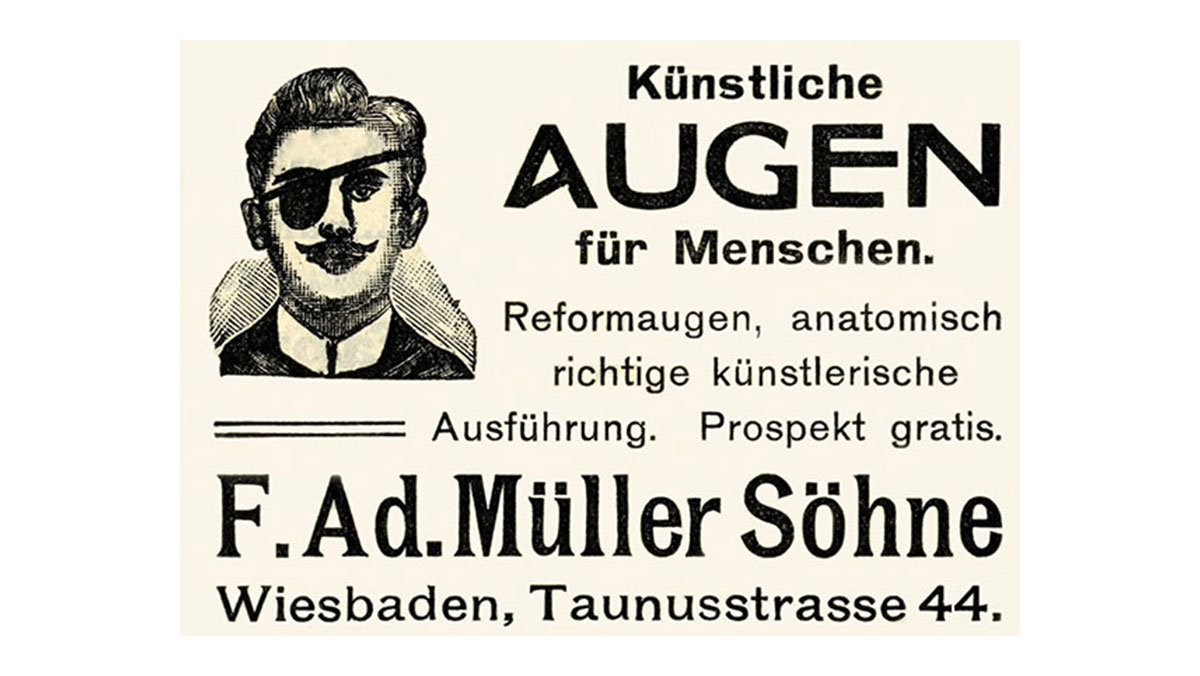
The property at Taunusstrasse 44 in Wiesbaden is acquired and becomes the German headquarters, where the institute is still based today.
1899
Around the turn of the century, 1899/1900, travel with patient visits both within and outside Germany increased. At that time, a maximum of fourteen European countries were visited. Today there are only six.
1950
The company now also manufactures ocular prostheses and medical plastic aids; this division was dissolved in 2012.
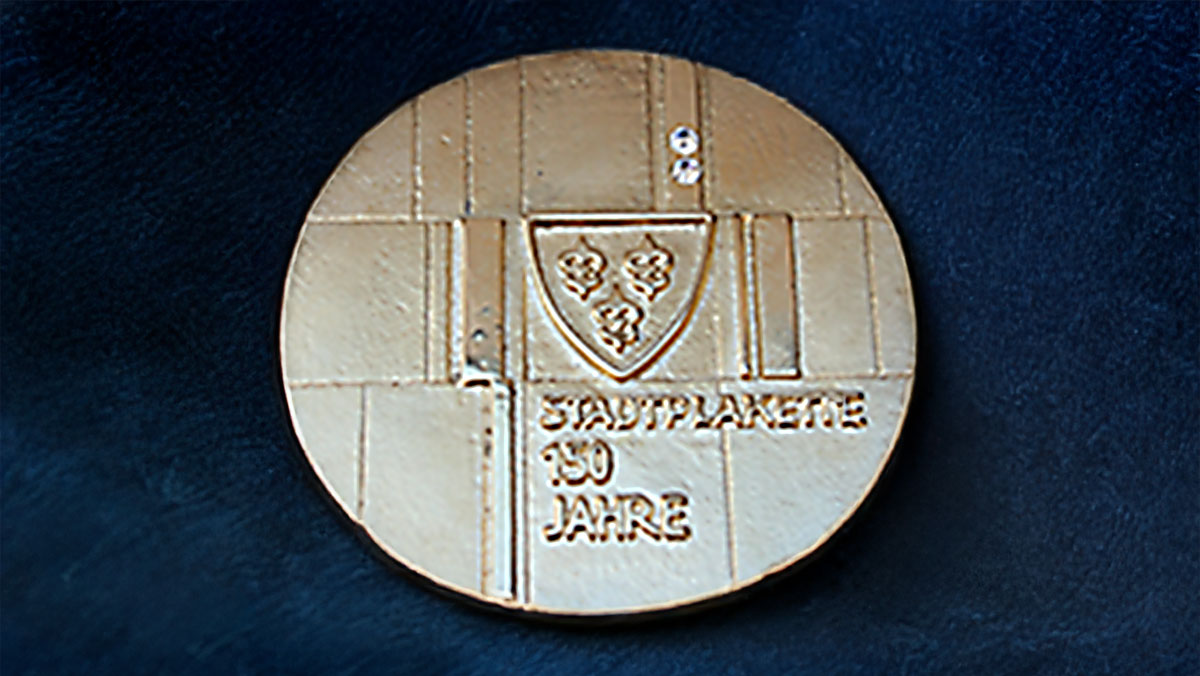
2010
The company celebrates its 150th anniversary and is presented with a commemorative plaque by Wiesbaden’s mayor.